[language-switcher]

2026 Top Lab Consumables Suppliers for Global Buyers

The global laboratory market is entering 2026 with higher expectations for consistency, traceability, and supply reliability. Lab Consumables now influence far more than daily convenience. They affect sample integrity, testing accuracy, workflow speed, and waste levels.

This guide introduces leading Lab Consumables suppliers for global buyers. It considers product range, material quality, manufacturing controls, certifications, regional availability, delivery performance, and technical support. The review covers pipette tips, tubes, plates, filters, gloves, containers, and other routine laboratory essentials. A dependable supplier should provide clear specifications, stable batch performance, and practical documentation. Small details matter. A poorly fitting tip can create air gaps. A weak tube can leak during centrifugation. A late shipment can pause an entire testing schedule.

W. Edwards Deming, a widely respected quality-management expert, said, “Quality comes not from inspection, but from the improvement of the production process.” His principle remains useful for evaluating laboratory suppliers. Strong vendors build quality into sourcing, molding, sterilization, packaging, and distribution. They do not rely only on final inspection. Buyers should still remain cautious. Certifications can support confidence, but they cannot replace independent verification or real-world trials. Price comparisons may also mislead when shipping, rejection rates, storage, and compatibility are ignored. This overview offers a practical starting point, not a universal verdict. Laboratory needs differ, and even an established supplier may not perform equally across every product category or region.

2026 Top Lab Consumables Suppliers for Global Buyers

What Lab Consumables Include and Why Supplier Choice Matters

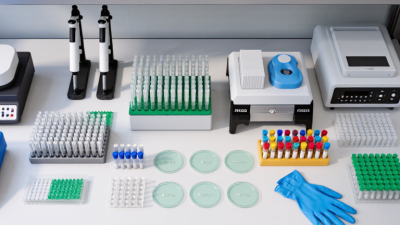
Lab consumables include the disposable and frequently replaced items used in daily laboratory work. They include pipette tips, tubes, culture plates, gloves, filters, syringes, reservoirs, labels, and sample containers. Some are simple. Others require sterility, chemical resistance, low binding, or temperature stability.

In practice, a small defect can disrupt an entire workflow. A poorly fitting pipette tip may leave droplets behind. A weak tube can crack during centrifugation. Unclear labels can damage traceability. Reliable suppliers provide consistent dimensions, clean packaging, accurate product information, and stable batch performance. They should explain storage limits, material compatibility, and quality controls. Certificates and lot records matter when results must be reviewed or repeated.

Price still matters, especially for high-volume testing. Yet the cheapest pack may create hidden costs through contamination, reruns, waste, or delayed work. Experienced buyers compare total use, not only unit price. They examine lead times, inventory depth, replacement policies, and technical support. A supplier should answer specific questions without vague promises. That is a useful test. No supplier is perfect. Teams can overlook packaging changes or regional delivery risks. Periodic checks, trial orders, and user feedback can expose weak points early. The goal is controlled, evidence-based selection that protects samples, staff, and decisions.

2026 Top Lab Consumables Suppliers for Global Buyers - What Lab Consumables Include and Why Supplier Choice Matters
A practical, brand-neutral comparison framework for evaluating laboratory consumables, product specifications, quality controls, compliance documentation, and supply reliability.
Consumable Category Typical Products Included Common Materials Primary Laboratory Uses Critical Product Specifications Quality and Compliance Checks Supplier-Choice Factors Key Buyer Risk if Poorly Selected
Liquid-Handling Consumables Pipette tips, serological pipettes, transfer pipettes, reservoirs, reagent containers Polypropylene, polyethylene, polystyrene Accurate transfer and dispensing of aqueous solutions, buffers, reagents, and biological samples Volume range, fit compatibility, filtered or non-filtered design, low-retention surface, sterility, rack format Accuracy and precision data; lot traceability; sterility validation where claimed; compatibility with the intended pipette system Consistent fit, reliable molding quality, stable lot-to-lot performance, documented technical support, and dependable replenishment Pipetting errors, contamination, sample loss, inaccurate assay results, and increased reagent consumption
Microplates and Sample Plates 96-well and 384-well plates, deep-well plates, PCR plates, assay plates, sealing films Polystyrene, polypropylene, polycarbonate, polyethylene films High-throughput screening, PCR preparation, sample storage, immunoassays, and cell-based assays Well volume, working volume, well shape, optical clarity, flatness, skirt format, sealing compatibility, temperature range Dimensional consistency, plate-reader compatibility, DNase/RNase status where applicable, sterility status, and low-binding claims Reliable automation compatibility, barcode availability, packaging protection, and continuity of the same plate geometry Robotic handling failures, evaporation, cross-contamination, optical interference, and invalidated runs
Sample Tubes and Vials Microcentrifuge tubes, cryogenic tubes, sample vials, screw-cap tubes, storage tubes Polypropylene, polyethylene, borosilicate glass, specialty polymers Sample collection, centrifugation, short-term storage, long-term storage, and low-temperature preservation Capacity, temperature range, cap design, sealing performance, centrifugation rating, chemical resistance, and extractables profile Leak testing, dimensional checks, lot identification, sterilization documentation, and material compatibility information Secure closure, freezer performance, rack compatibility, clear labeling, and availability of replacement caps or matching racks Leakage, evaporation, sample mix-ups, tube deformation, and loss of valuable specimens
Cell Culture Consumables Culture flasks, Petri dishes, multiwell plates, cell scrapers, pipettes, filtration units Polystyrene, polyethylene terephthalate, polypropylene, membrane polymers Mammalian cell culture, microbiology, cell expansion, screening, and media handling Surface treatment, growth area, gas-exchange design, vented or sealed closure, sterility, and pyrogen or endotoxin status where relevant Sterility assurance, surface-treatment consistency, lot traceability, cytotoxicity information, and packaging integrity Reproducible cell attachment, stable supply, validated packaging, and clear documentation for regulated or research use Poor cell attachment, contamination, inconsistent growth, failed cultures, and delayed experiments
Filtration Consumables Syringe filters, vacuum filter units, membrane discs, bottle-top filters, capsule filters PTFE, PES, PVDF, nylon, cellulose acetate, polypropylene housings Sample clarification, sterile filtration, solvent filtration, buffer preparation, and particle removal Membrane material, pore size, effective filtration area, chemical compatibility, flow rate, pressure limit, and hold-up volume Pore-size validation, extractables data, bacterial-retention data when claimed, integrity testing, and sterilization method Correct membrane selection for the solvent, dependable flow performance, low sample adsorption, and complete technical documentation Clogging, analyte loss, chemical incompatibility, false results, or microbial contamination
Gloves and Personal Protective Consumables Examination gloves, cleanroom gloves, sleeve covers, masks, disposable gowns, shoe covers Nitrile, latex, vinyl, polyethylene, nonwoven fabrics Personnel protection, sample protection, cleanroom operations, and contamination control Size range, thickness, tactile sensitivity, chemical resistance, powder-free construction, surface texture, and acceptable quality level Relevant protective-equipment or medical-device requirements; allergen information; batch traceability; packaging cleanliness Consistent sizing, tear resistance, skin compatibility, packaging cleanliness, and uninterrupted supply across sizes Exposure incidents, sample contamination, user discomfort, frequent glove changes, and higher operating costs
Glassware and Disposable Glass Items Vials, culture tubes, bottles, slides, coverslips, chromatography vials, disposable cuvettes Borosilicate glass, soda-lime glass, optical glass, polymer alternatives Chemical preparation, microscopy, chromatography, spectroscopy, sample storage, and heating applications Glass type, dimensional tolerance, thermal resistance, optical properties, closure compatibility, and surface treatment Applicable glass standards, cleanliness, dimensional inspection, hydrolytic resistance where relevant, and closure integrity Low particle shedding, consistent dimensions, safe packaging, breakage control, and compatibility with instruments Breakage, sample contamination, adsorption, leakage, instrument incompatibility, and laboratory safety incidents
Chromatography Consumables Vials, caps, septa, syringe filters, liners, guard cartridges, sample cups Borosilicate glass, polypropylene, PTFE, silicone, polyethylene Gas chromatography, liquid chromatography, sample preparation, and analytical method development Septum chemistry, vial dimensions, low-volume geometry, solvent compatibility, extractables, and instrument fit Background and extractables data, dimensional consistency, cleanliness, lot traceability, and compatibility testing Low analytical background, reliable autosampler performance, secure sealing, and consistent availability of matching components Carryover, contamination peaks, evaporation, injection errors, and compromised detection limits
Microbiology Consumables Petri dishes, inoculating loops, spreaders, culture tubes, sampling bags, swabs Polystyrene, polypropylene, polyethylene, polyester or rayon fibers Microbial culture, environmental monitoring, sampling, enumeration, and contamination investigation Sterility, ventilation design, surface flatness, sample recovery, closure design, and temperature tolerance Sterility assurance, irradiation or other sterilization records, packaging integrity, and lot traceability Reliable sterility, easy handling, secure packaging, consistent surface quality, and documented storage conditions False positives, false negatives, contamination, poor recovery, and invalid environmental monitoring results
Personalized and Molecular Biology Consumables PCR tubes, qPCR plates, nucleic-acid extraction vessels, reagent reservoirs, electrophoresis tips Low-binding polypropylene, polyethylene, polycarbonate, agarose or polymer gel materials DNA and RNA extraction, amplification, genotyping, sequencing preparation, and electrophoresis Nuclease-free status, optical clarity, low-binding properties, thermal cycling range, sealing performance, and evaporation control DNase/RNase and human-DNA status where claimed, thermal uniformity, optical compatibility, lot records, and contamination controls Reliable amplification performance, strong seals, automation compatibility, and stable supply of matching plates and films Inhibition, contamination, evaporation, weak amplification, and irreproducible molecular results
Packaging and Sterile Transfer Items Sterile bags, sampling bags, transfer containers, disposable funnels, closures, and tubing Polyethylene, polypropylene, multilayer films, silicone, thermoplastic elastomers Material transfer, sample collection, sterile processing, media handling, and controlled-environment operations Volume, film thickness, seal strength, tubing dimensions, temperature range, chemical compatibility, and particulate control Sterilization records, integrity testing, extractables and leachables information where required, and controlled packaging Secure seals, traceability, appropriate sterilization method, delivery reliability, and compatibility with existing connectors Leakage, microbial ingress, processing delays, product loss, and contamination of controlled batches
General Disposable Labware Beakers, funnels, weighing boats, spatulas, trays, reservoirs, and disposable scoops Polypropylene, polyethylene, polystyrene, paperboard, stainless-steel alternatives Weighing, mixing, dispensing, handling, temporary storage, and routine laboratory preparation Capacity, chemical resistance, rigidity, static behavior, cleanliness, and temperature tolerance Material declarations, dimensional consistency, packaging cleanliness, and suitability for the intended application Cost per use, stacking efficiency, ergonomic design, packaging volume, and consistent replenishment Spills, chemical damage, inaccurate weighing, handling injuries, and unnecessary waste
Recommended global-buyer evaluation checklist: verify material compatibility, dimensional fit, sterility or cleanliness claims, lot traceability, certificates and technical data, packaging integrity, storage requirements, minimum order quantity, lead-time consistency, regional regulatory requirements, shipping conditions, change-notification procedures, and continuity plans for critical consumables.

How to Evaluate Lab Consumables Suppliers in 2026

2026 Top Lab Consumables Suppliers for Global Buyers

How to Evaluate Lab Consumables Suppliers in 2026

Global buyers should assess suppliers through evidence, not polished catalog pages. Check material specifications, batch records, certificates, and documented quality controls. Ask how products are tested before shipment. A reliable supplier explains tolerances, sterility claims, storage conditions, and shelf life clearly. Vague answers are warning signs.

Tips: Request samples from different production batches. Compare dimensions, packaging, labeling, and performance under normal laboratory conditions. Review lead times using recent order data, not optimistic promises. Confirm export documents, language support, and replacement procedures before signing a contract. Small details matter. Also check whether the supplier can maintain quality when order volumes increase.

Price still matters, but the lowest quote may create hidden costs. Poorly fitting tubes can cause leakage. Weak packaging can damage tips, plates, or containers during a long shipment. In my experience, a supplier’s response after a minor problem reveals more than a sales presentation. Measure response time, corrective action, and transparency. No supplier is perfect, and buyers should record recurring defects instead of excusing them. A useful evaluation also includes backup capacity, ethical sourcing statements, and realistic communication across time zones.

Top Global Supplier Categories and Their Key Strengths

In 2026, global buyers are comparing supplier categories, not only price lists. Grand View Research estimated the laboratory consumables market at roughly US$38 billion in 2023. Its analysis also indicates continued growth through 2030. Demand is moving toward traceable, sterile, and application-specific products.

Plastic consumables offer scale, lightweight shipping, and consistent molding. They suit high-throughput testing and routine sample handling. Glassware suppliers remain strong where chemical resistance and thermal stability matter. Reagent and media suppliers compete through purity data, lot consistency, and cold-chain control. According to MarketsandMarkets, biotechnology and pharmaceutical testing remain major growth areas for laboratory consumables. Quality documents matter here. They are not decoration.

Equipment-compatible consumables form another important category. Tubes, plates, tips, filters, and seals must fit automated workflows precisely. Small dimensional errors can cause costly stoppages. Distributors usually provide broader regional stock, consolidated orders, and faster replacement. Manufacturers often provide deeper technical support and customization. Both models have weaknesses. Local stock may reduce lead time, but it can narrow product choice. Large suppliers may offer better validation files, yet respond slowly to urgent changes. Buyers should compare ISO certification, batch traceability, delivery performance, material specifications, and complaint handling. The WHO Laboratory Quality Management System guidance also emphasizes documented processes and reliable records. That principle is easy to overlook during procurement pressure.

2026 Top Lab Consumables Suppliers for Global Buyers

Top Global Supplier Categories and Their Key Strengths

The chart compares major laboratory consumables categories using a normalized global buyer priority score from 0 to 100. The score reflects commonly evaluated procurement factors, including application coverage, supply continuity, quality consistency, customization potential, and regulatory suitability. Scores represent category-level strengths rather than individual company performance.

Product Standards, Customization, and Quality Assurance

2026 Top Lab Consumables Suppliers for Global Buyers

Product Standards, Customization, and Quality Assurance

Reliable consumables begin with clear product standards, not attractive catalog images. Buyers should verify material grades, dimensional tolerances, packaging conditions, and applicable international requirements. For plastic items, resin type and additives can affect sample integrity. For glassware, surface quality and thermal resistance deserve close attention. Lot numbers should appear on cartons and inner packaging. This supports traceability when a problem appears months later.

Customization can improve workflow, but it should not weaken consistency. Suppliers may adjust volumes, colors, labeling, closures, or packaging formats. Every change needs an approved drawing, sample review, and documented specification. Quality assurance should include incoming material checks, in-process inspections, and finished-product testing. Independent reports, calibration records, and ISO 17025 laboratory results can strengthen confidence. Still, no supplier is perfect. A rushed sample approval can hide small defects, such as uneven rims or loose caps.

Tips: Request three production samples, not one. Compare measurements with your tolerance sheet. Check seal strength after transport simulation. Ask how rejected lots are isolated and reported. Keep communication records. Written evidence matters. A useful audit also reviews corrective actions, worker training, and storage conditions. Some buyers focus heavily on price, then discover inconsistent packaging or delayed documentation. That lesson is expensive, but avoidable.

How Global Buyers Can Compare, Verify, and Select Suppliers

2026 Top Lab Consumables Suppliers for Global Buyers

How Global Buyers Can Compare, Verify, and Select Suppliers

Selecting a laboratory consumables supplier requires more than comparing prices. Buyers should review product specifications, material grades, sterility claims, and compatibility with existing instruments. A reliable supplier provides clear lot numbers, certificates of analysis, and traceable production records. Check whether documents match the exact product and batch. Generic files are warning signs. Request samples when possible. Test fit, sealing quality, clarity, and resistance before placing a large order.

Tips: Build a comparison sheet with quality, lead time, minimum order quantity, packaging, and support. Ask how suppliers handle damaged goods and specification changes. Confirm storage conditions and shipping protection. Contact two or three existing customers for practical feedback. A polished website is not proof of consistency. Neither is the lowest quote.

Evaluate the supplier’s quality system and communication habits. Responses should be specific, timely, and technically clear. Review audit reports or recognized quality certifications when available. Confirm whether the supplier can maintain the same material and dimensions across repeated batches. This point is often overlooked. A product may pass one test but fail after months of routine use. Keep records of evaluations, approvals, complaints, and corrective actions. Supplier selection is partly technical and partly judgment. A spreadsheet helps, but it cannot replace careful verification.

Inquiry Form