How to Choose the Best Laser Hair Removal Equipment?
Choosing the right Laser Hair Removal Equipment is a critical decision for both professionals and clients. The effectiveness and safety of hair removal treatments hinge on the quality of the equipment used. A well-informed selection process can lead to superior results and client satisfaction.
Many factors influence the choice of equipment. It's essential to consider skin types and hair colors. Different machines cater to various needs. For instance, some are designed for lighter skin, while others work better on darker tones. Researching the technology behind these devices is vital. Understanding the latest advancements can aid in making an informed choice.
Reflecting on experiences with previous equipment can also guide future decisions. Did it meet expectations? Were there any side effects? Such questions highlight the importance of research and personalizing choices. Finding reliable sources of information is crucial. Recommendations from experienced professionals can provide valuable insights. By prioritizing these factors, you can choose the best Laser Hair Removal Equipment with confidence.
Understanding Different Types of Laser Hair Removal Technologies
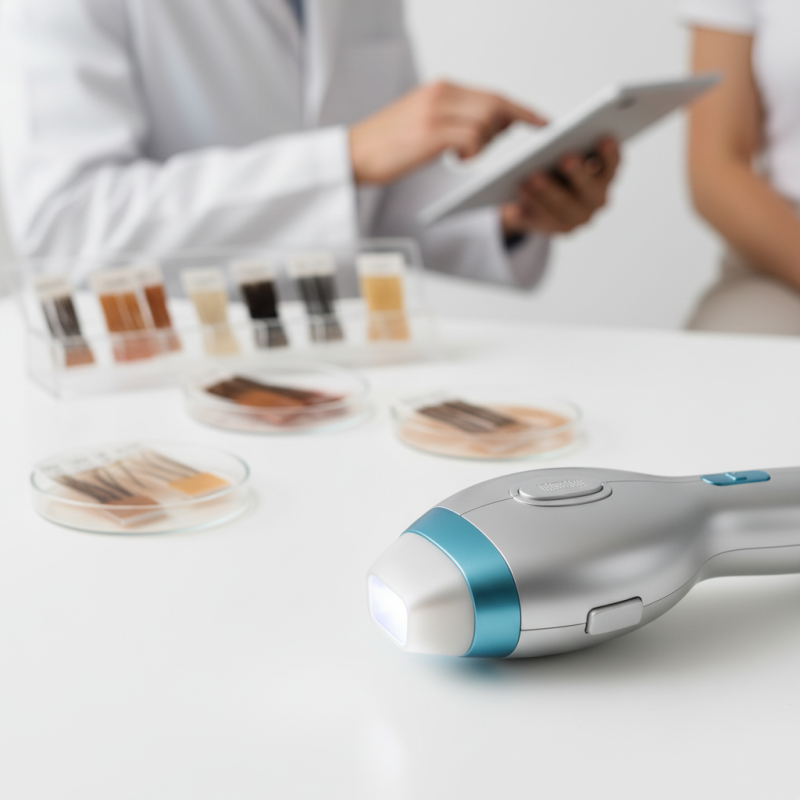
When selecting laser hair removal equipment, it's crucial to understand the types of technologies available. The most common types of lasers are Alexandrite, Diode, and Nd:YAG. Each technology has unique attributes and suitability for different skin and hair types.
According to a report by the American Society for Aesthetic Plastic Surgery (ASAPS), over 1.4 million laser hair removal procedures were performed in 2022. This illustrates the growing reliance on laser treatments. Alexandrite lasers are often preferred for lighter skin, while Diode lasers work well for a broader range of skin tones. Nd:YAG lasers are effective for darker skin types.
However, the choice of laser technology isn't straightforward. For instance, Alexandrite lasers provide quicker sessions but may lack effectiveness on fine hair. Diode lasers can target a wider hair follicle spectrum but may have longer treatment times. It's essential for practitioners to evaluate patient needs deeply before deciding on a technology. Proper training in using these devices remains paramount to mitigate risks and ensure effectiveness. Misjudgments can lead to suboptimal results, highlighting the importance of informed decision-making in this evolving field.
Evaluating Safety and Effectiveness of Laser Hair Removal Devices
Choosing the right laser hair removal device requires careful evaluation of safety and effectiveness. According to a study published in the Journal of Dermatology, over 80% of users report satisfaction with laser hair removal outcomes. However, safety concerns persist. Devices must meet FDA standards to ensure skin protection and minimize side effects.
When assessing effectiveness, consider the type of laser used. Diode lasers are known for their efficiency on a range of skin tones. An analysis by the American Society for Laser Medicine and Surgery highlights that 75% of patients with darker skin experience successful hair reduction with these devices. This statistic underscores the importance of tailored treatments.
Potential side effects also warrant attention. Mild redness and swelling often occur post-treatment. However, studies show that 10% of users experience more severe effects, such as blistering. It’s essential to follow pre- and post-treatment care to mitigate these risks. Regular consultation with qualified professionals can further enhance safety and effectiveness.
Key Features to Consider When Choosing Laser Hair Removal Equipment
When selecting laser hair removal equipment, several key features should be prioritized. The type of laser is critical. Different lasers work better for various skin tones and hair types. For instance, as noted in a recent industry report, nearly 70% of successful treatments use the Nd:YAG laser for darker skin. Conversely, the Alexandrite laser is more effective for lighter skin tones.
Safety features are another essential consideration. Look for devices that include skin cooling systems to minimize discomfort and reduce the risk of burns. According to clinical studies, treatments with built-in cooling can enhance patient satisfaction by up to 30%. Always verify if the equipment has received FDA clearance, as compliance with safety regulations ensures a degree of reliability and expertise.
User-friendliness also matters. A complex interface can lead to operator error, which affects outcomes. Simple settings can improve efficiency, making it easier for practitioners to perform quick treatments. Some reports indicate that 20% of adverse events arise from operator mistakes linked to complicated machine setups. Reflecting on these aspects guarantees a more effective and safer hair removal experience.
Assessing Cost and Maintenance of Laser Hair Removal Machines
When considering laser hair removal machines, evaluating cost and maintenance is crucial. The initial investment can range from $10,000 to $100,000, depending on features and technology. More advanced machines often have higher upfront costs but may deliver better results, reducing the need for frequent treatments.
Maintenance is another important aspect. Regular servicing is essential for optimal performance. Expect to budget approximately $1,500 to $3,000 annually for maintenance tasks like calibration and replacement parts. According to industry reports, improper maintenance can lead to increased downtime and reduced client satisfaction.
Tips: Always ask for service contracts before purchasing. A comprehensive service plan can save you money in the long run. Additionally, consider machines that offer user-friendly interfaces. They can minimize training time and operational errors.
Understanding these factors helps in making an informed choice. Balancing upfront costs with long-term maintenance will ensure your investment pays off over time.
How to Choose the Best Laser Hair Removal Equipment? - Assessing Cost and Maintenance of Laser Hair Removal Machines
| Equipment Type | Initial Cost ($) | Maintenance Cost (Annual) ($) | Lifespan (Years) | Operating Cost per Treatment ($) |
| Alexandrite Laser | 25,000 | 2,000 | 10 | 30 |
| Diode Laser | 35,000 | 1,800 | 12 | 25 |
| Nd:YAG Laser | 30,000 | 2,200 | 10 | 35 |
| IPL (Intense Pulsed Light) | 20,000 | 1,500 | 5 | 20 |
| Ruby Laser | 15,000 | 1,300 | 8 | 40 |
Reading Reviews and Expert Recommendations for Laser Equipment
When selecting laser hair removal equipment, reviews and expert recommendations play a crucial role. Industry reports indicate that around 80% of users find reviews help guide their purchasing decisions. The experiences shared by previous users provide insight into the equipment's effectiveness and comfort levels during treatment. Reading various sources can highlight potential pitfalls and highlight features that set products apart.
Analyzing expert opinions is equally vital. A report from the American Society for Aesthetic Plastic Surgery notes that 67% of practitioners consider expert reviews essential for informing clients about the best practices and technology available. These professionals often test multiple devices and can offer insights into reliability. Eyewitness accounts reveal that understanding a device's specifications can help prevent dissatisfaction later.
While many reviews can showcase the benefits of a device, some may reflect unaddressed concerns. Users often report inconsistent results, which can stem from factors such as skin types or treatment settings. A thorough read can uncover not only the strengths but also weaknesses, prompting buyers to reflect on whether the equipment will meet their individual needs.
Laser Hair Removal Equipment Comparison
