China Top 10 Laboratory Consumables for Optimal Research Efficiency?
In the fast-evolving landscape of scientific research, the selection of essential laboratory consumables plays a critical role in achieving optimal research efficiency. Laboratory consumables, which include items such as pipettes, reagents, and disposable labware, account for a significant portion of research expenses. According to a report by Research and Markets, the global laboratory supplies market is expected to reach $50 billion by 2025, driven by rising research activities and technological advancements.
China, as a leading contributor to this market, has strategically positioned itself in the production and distribution of laboratory consumables. A report by Grand View Research highlights that the Chinese laboratory consumables market is experiencing substantial growth, with a projected CAGR of over 8% from 2021 to 2028. This growth is indicative of an increasing demand for high-quality materials that enhance lab efficiency.
However, not every laboratory consumable meets the necessary standards for research integrity. Subpar products can lead to unreliable results and waste valuable resources. Researchers must remain vigilant and analytical when selecting these critical tools. It is crucial to weigh quality against cost-effectiveness to ensure that research outputs are not compromised. A thoughtful approach to laboratory consumables can significantly impact research outcomes and efficiency.

Essential Laboratory Consumables for Effective Research Operations
In any laboratory setting, the choice of consumables can significantly impact research efficiency. High-quality pipette tips and centrifuge tubes are fundamental items. They ensure accurate measurements and reliable separation. Using subpar materials could lead to errors, affecting the integrity of results. Researchers must prioritize these essentials when setting up their experiments.
Another critical category is cleanroom supplies. Items like sterile gloves, wipes, and lab coats minimize contamination risks. Contamination can compromise experiments, making these materials essential for any lab. It’s tempting to cut costs here, but this may lead to expensive mistakes. Investing in proper consumables fosters a culture of reliability and trust in the results.
Moreover, consumables such as media plates and vials are vital for sample storage and processing. Each container's quality affects the outcome of experiments. The temptation is to overlook minor details, but clarity in sample handling is paramount. Rethinking consumable choices can lead to improved research outcomes. Emphasizing quality over quantity inevitably enhances the overall laboratory experience.
Top 10 Laboratory Consumables to Enhance Experimental Outcomes
Laboratories require high-quality consumables to produce reliable results. Choosing the right products can significantly impact experimental outcomes. Essential supplies include pipette tips, which ensure precise liquid handling. Filter tips help prevent contamination, enhancing the integrity of experiments. Another crucial item is microcentrifuge tubes, designed for efficient sample storage and processing.
Safety is paramount. Chemical-resistant gloves protect users during all procedures. Lab coats made from durable materials shield against spills and accidents. Additionally, proper storage containers help maintain the stability of sensitive reagents.
Selecting the correct consumables is often overlooked. Some researchers may settle for lower-quality options to save costs. This could lead to compromised data, causing more setbacks later. It's vital to reassess the consumables we choose. Investing in quality items may involve higher initial costs, but the benefits in research reliability are substantial.
China Top 10 Laboratory Consumables for Optimal Research Efficiency
| Item |
Category |
Application |
Material |
Pack Size |
Price (CNY) |
| Pipette Tips |
Liquid Handling |
Precision Transfer |
Polypropylene |
96 Tips |
50 |
| Microcentrifuge Tubes |
Sample Storage |
Storage & Centrifugation |
Polypropylene |
500 Tubes |
120 |
| Petri Dishes |
Cell Culture |
Microbial Culture |
Polystyrene |
20 Dishes |
80 |
| Reagents |
Chemical |
Analysis |
Liquid |
15 ml |
200 |
| Lab Coats |
Personal Protective Equipment |
Safety |
Cotton/Polyester |
10 Coats |
300 |
| Gloves |
Personal Protective Equipment |
Safety |
Nitrile |
100 Gloves |
150 |
| Test Tubes |
Sample Storage |
Reaction & Storage |
Borosilicate Glass |
100 Tubes |
240 |
| Centrifuge Rotors |
Sample Processing |
Separation |
Aluminum |
1 Rotor |
500 |
| Filter Paper |
Filtration |
Separation |
Cellulose |
100 Sheets |
70 |
Factors Influencing the Selection of Laboratory Consumables
Choosing the right laboratory consumables is crucial for optimal research efficiency. The selection process can be influenced by various factors. First, researchers need to consider the nature of their experiments. Different experiments demand specific consumables that ensure accurate results.
Material quality is vital. High-quality consumables reduce the risk of contamination. Consider how materials impact the experiment's integrity. Sometimes, cheaper options may lead to compromised results. Ensure the selected materials match the standard protocols in your field.
Tips: Always evaluate the supplier's reputation. Reliable suppliers often provide the best quality and support. Monitor your consumables regularly. This helps in identifying any issues early on. Collaborate with peers about their choices and experiences. Peer insights can illuminate options you might overlook.
Also, sustainability is an emerging factor. Opt for eco-friendly consumables when possible. This aligns your research with global conservation goals. Keep your workspace organized. A cluttered environment can lead to mistakes and inefficiencies.
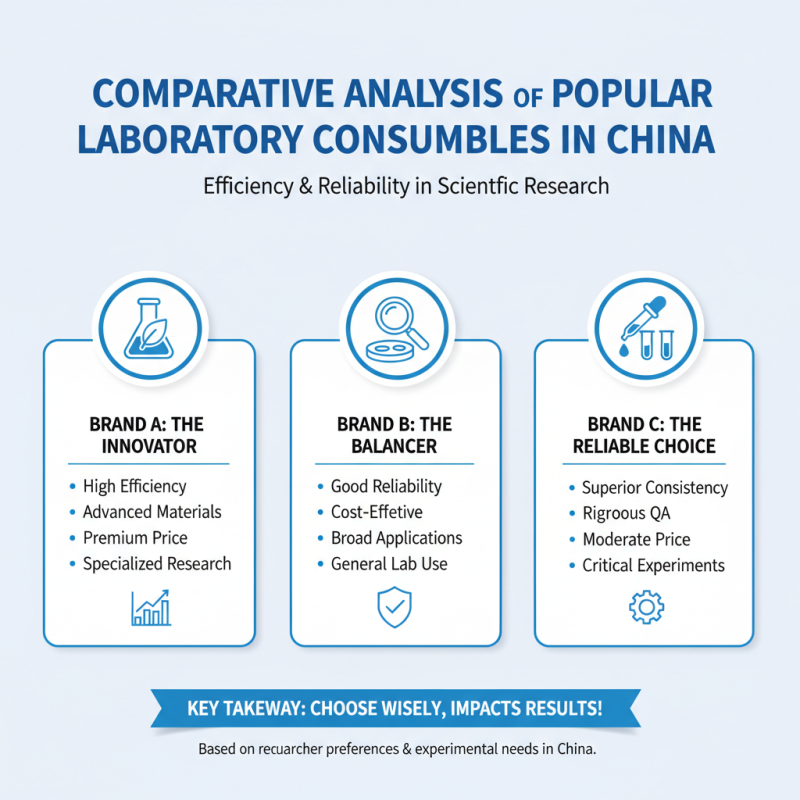
Comparative Analysis of Popular Laboratory Consumables in China
In the fast-paced realm of scientific research, choosing the right laboratory consumables is crucial. Researchers in China often seek products that enhance both efficiency and reliability. A comparative analysis reveals key differences among popular options, which can significantly impact experimental outcomes.
One critical area is sample storage. While various tubes and plates exist, some might not provide an adequate seal. This can lead to contamination or sample degradation. Researchers need to consider temperature ranges and surface properties. Additionally, pipette tips vary widely in precision and sterility. Opting for high-quality tips can reduce errors in pipetting, yet cost constraints often lead to compromises.
Another aspect is the choice of reagents. The purity and compatibility of reagents can vary across suppliers. Research teams must sometimes navigate these inconsistencies to achieve reproducible results. It's essential to regularly evaluate the performance of consumed materials and their impact on experiments. Being aware of these nuances can guide researchers toward making more informed decisions, ultimately fostering better research practices.
Future Trends in Laboratory Consumable Manufacturing and Usage
The future of laboratory consumables is evolving rapidly. Innovations in materials science are leading to the development of more sustainable and efficient products. For example, biodegradable plastics are gaining traction. These materials reduce environmental impact and can enhance laboratory practices. Research facilities are increasingly prioritizing green alternatives.
Moreover, automation plays a crucial role in laboratory efficiency. Smart lab tools streamline workflows, minimizing human error. They help ensure accurate data collection. However, the integration of technology may require initial adjustments. Some labs struggle to balance new technology with traditional methods. The transition can be challenging and may lead to temporary disruptions.
Collaboration among researchers will shape the future landscape. Sharing information and resources can foster development. It will enhance not just individual labs but the broader scientific community. Nevertheless, questions remain about accessibility to advanced consumables. Will smaller labs be able to keep up with big institutions? This is an ongoing discussion that requires attention.