Top Skin Analysis Machine Suppliers for Global Buyers?
Choosing among the top Skin Analysis Machine suppliers requires more than comparing screen size, camera resolution, or product price. Global buyers need evidence that connects technical performance with practical skincare workflows. A salon may need fast facial imaging beside a treatment chair. A clinic may require repeatable measurements, secure records, and professional reporting.
Industry data shows why this category is gaining attention. The McKinsey Global Institute projects the global beauty market could reach approximately $590 billion by 2028. Grand View Research also reports continued growth across professional skincare devices, driven by digital diagnostics and personalized treatment planning. Meanwhile, the World Health Organization estimates that skin conditions affect nearly 1.8 billion people at any moment. These figures suggest strong demand, but they do not automatically prove that every device delivers reliable analysis.
Supplier evaluation must therefore remain practical and evidence-based. Buyers should examine imaging consistency, software updates, calibration procedures, training, warranty coverage, and regional service support. Clinical validation matters. So do data protection policies, especially when devices store facial images and personal records. Certifications should be checked against the buyer’s local requirements, rather than assumed from marketing language.
No ranking is perfect. Report definitions differ. Some suppliers also present laboratory results without explaining real-world limitations. This guide compares leading manufacturers through product capability, support quality, documentation, and buyer experience. It also highlights questions that may be overlooked during procurement. A credible supplier should explain what the machine can measure, what it cannot confirm, and how professionals should interpret its results.
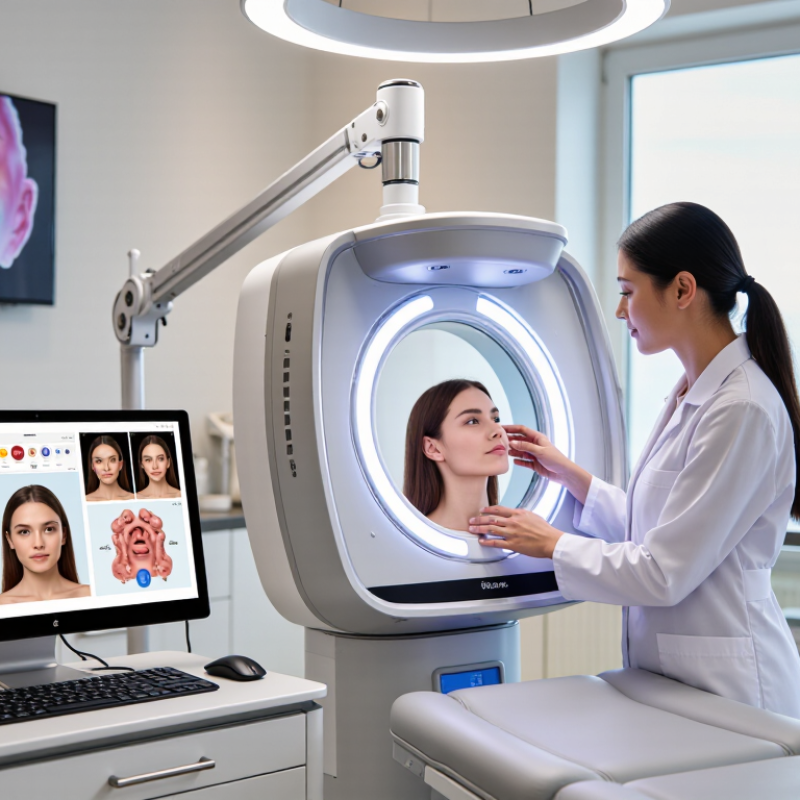
What Is a Skin Analysis Machine and How Does It Work?
A skin analysis machine is a digital imaging system that examines visible skin features.
It may assess pores, wrinkles, pigmentation, redness, oiliness, and hydration indicators. Unlike a simple camera, it uses controlled lighting, magnification, and software-based comparison.
The process is practical. A technician cleans the face, removes reflective products, and captures images under several light conditions.
Cross-polarized light can reduce surface glare, while ultraviolet illumination may reveal uneven pigmentation or oil patterns. Algorithms then compare the images with reference databases and produce numerical scores. The image is not a diagnosis. A qualified professional must interpret the results alongside skin history and physical observation.
Market reports show why demand is increasing.
Grand View Research valued the global skin care devices market at over USD 19 billion in 2023 and expects continued growth through 2030. Fortune Business Insights also identifies imaging and diagnostic functions as important drivers in professional skin-care equipment. These figures describe a broad device market, not every analysis machine. That distinction matters.
In practice, repeatability is more valuable than impressive graphics. The same room, camera distance, facial position, and lighting should be used during follow-up scans. Calibration changes everything.
I would still question any system promising perfect accuracy, especially when skin tone, hydration, and recent product use can affect readings. Reliable suppliers should provide training, data protection controls, maintenance records, and clear explanations of measurement limits. A machine can support professional judgment, but it should not replace it.
Key Features to Compare When Choosing a Skin Analysis Machine
Choosing a skin analysis machine requires more than comparing screen size or camera resolution. Practical evaluations show that consistent lighting matters greatly. Look for polarized and UV imaging, adjustable illumination, and clear magnification. These features can reveal surface texture, oil distribution, redness, and pigmentation patterns under controlled conditions.
Measurement quality deserves close attention. A reliable device should provide repeatable readings for moisture, sebum, pore visibility, and skin tone. Ask how often calibration is required and whether staff can perform it easily. Useful software should display side-by-side images, track changes over time, and generate understandable reports. Complex menus slow consultations. Small delays matter.
Hygiene is easy to overlook. Choose contact parts that can be cleaned safely between clients. Check data protection settings, user permissions, and storage options before installation. Training and technical support also influence long-term value. No machine is perfect. A bright image may look convincing while misrepresenting deeper conditions. Results should support, not replace, professional observation and client history. Test several skin types under the same room conditions, then compare the readings with trained assessments. That step may expose weaknesses that brochures hide.
Top Skin Analysis Machine Suppliers for Global Buyers
Global buyers need more than attractive images when evaluating skin analysis machine suppliers. A reliable supplier should provide measurable specifications, operator training, calibration guidance, and responsive technical support. In real clinics, lighting changes, camera distance, and skin preparation can affect results. Small details matter.
Market reports support this cautious approach. Grand View Research’s 2024 skincare devices analysis indicates continued double-digit growth across several device categories. MarketsandMarkets also forecasts strong expansion in aesthetic device demand through the decade. However, report definitions differ. Some include professional treatment systems, while others include home-use devices. Buyers should check the methodology before comparing figures.
Look for suppliers that disclose image resolution, spectral lighting, software update policies, and data-security practices. Independent testing or clinical validation is more useful than vague accuracy claims. Ask for sample reports from different skin tones and age groups. Test the workflow with actual staff, not only technical representatives. It may reveal confusing interfaces.
After-sales service deserves equal attention. Confirm spare-part availability, warranty limits, installation time, and regional service coverage. International buyers should also review electrical certifications and local import requirements. A low purchase price can become expensive after repeated downtime. Some suppliers still overstate artificial intelligence capabilities. That deserves skepticism.
A practical evaluation can score suppliers across accuracy, usability, training, compliance, and total ownership cost. Keep the scoring evidence-based. Convenience is not proof.
Importing, Pricing, and After-Sales Considerations for Buyers
Global buyers should assess skin analysis machine suppliers beyond catalogue prices. Grand View Research valued the global skincare products market at about USD 155.7 billion in 2022. McKinsey also projects the broader beauty market could reach USD 590 billion by 2028. This growth attracts many equipment suppliers, but demand does not guarantee reliable performance.
Request a complete landed-cost quotation. It should include the machine, software, packaging, freight, import duties, installation, and training. Confirm the correct HS code with a customs professional. Check electrical certificates and whether local rules classify the device as medical equipment. A low factory price can become expensive after shipping and taxes. That happens often.
Ask for image samples under different lighting conditions, not only polished demonstrations. Skin-tone coverage, repeatability, and report accuracy matter more than colorful interfaces.
After-sales support deserves equal attention. Request warranty terms, response times, spare-part availability, remote diagnosis, and software-update policies. A supplier should explain calibration schedules and provide operator training records. ISO 9001 certification can support quality controls, but it does not prove clinical accuracy. Independent test reports are stronger evidence. Protect customer images carefully, especially when cloud storage is used. Privacy obligations vary by market, so buyers should obtain written data-handling procedures. In my sourcing reviews, support promises are often vague. Insist on measurable service levels. Also budget for downtime; a replacement camera or delayed software repair can disrupt a clinic’s daily appointments. Pricing transparency is imperfect, yet it remains one of the best supplier filters.
