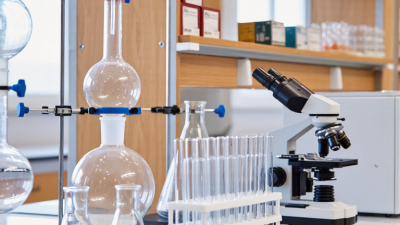
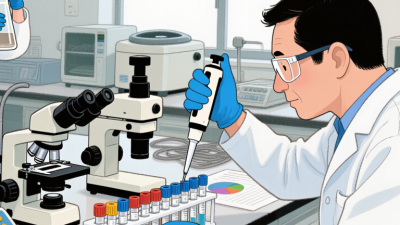
Choosing Laboratory Supplies for international procurement is no longer a simple price comparison. Buyers must examine accuracy, traceability, compatibility, delivery stability, and after-sales support. A pipette may look identical online, yet its calibration record can determine whether a 20-microliter transfer is dependable.
Industry estimates show why this market deserves closer attention. Grand View Research reported that the global laboratory supplies market was valued at approximately USD 39.4 billion in 2023, with continued growth expected through 2030. MarketsandMarkets also identifies rising biotechnology research, clinical testing, and pharmaceutical development as major demand drivers. Estimates differ because companies classify consumables, instruments, safety products, and services differently. That inconsistency deserves attention.
“Quality control is not an optional extra in scientific work.”
This principle reflects the concern raised by John P. A. Ioannidis, a leading expert on research reliability: “The more flexible the designs, definitions, outcomes, and analytical modes in a scientific field, the less likely the research findings are to be true.” His warning applies directly to Laboratory Supplies. Poorly documented tubes, unstable reagents, or unsuitable filters can quietly distort results.
This guide evaluates ten practical categories for global buyers. It considers laboratory glassware, pipettes, centrifuge accessories, diagnostic consumables, storage systems, protective equipment, and selected instruments. Each category needs a different purchasing checklist. Cost matters. So does failure risk.
Not every supplier deserves equal trust. Buyers should verify certifications, batch information, calibration evidence, shipping conditions, and technical support before placing large orders. Even experienced teams can miss one detail. That is where this ranking remains useful, but not perfect. Specifications change, regional standards differ, and every laboratory should validate suitability before adoption.

Global laboratory buyers need more than a popular product list. They need supplies matched to testing goals, local conditions, and daily workflow. Common categories include glassware, plasticware, pipettes, sterile tips, balances, centrifuges, microscopes, filtration units, cold-storage equipment, and personal protective equipment.
Each category creates different purchasing requirements. A 10 mL pipette should provide consistent volume control and clear calibration data. A laboratory balance may require 0.001 gram readability, stable power, and a draft shield. Cold-storage units need verified temperature performance, alarm functions, and suitable voltage for the destination country. Small details matter.
They do matter.
Experienced buyers check material compatibility before comparing prices. Some solvents damage ordinary plastics. Some samples require low-binding tubes or sterile packaging. Buyers should request certificates, inspection records, shelf-life information, and calibration procedures. Product labels must remain readable after shipping, especially in humid regions.
Packaging also deserves attention. A cracked bottle or bent pipette can delay an entire project. Strong cartons, internal protection, and moisture control reduce avoidable losses. Delivery times, replacement parts, technical support, and import documentation should appear in the purchasing plan.
The cheapest quotation is not always economical. I have seen buyers overlook accessories, training, or calibration costs. That decision looked efficient on paper, but created repeated delays. A better evaluation compares performance, reliability, compliance documents, and total ownership cost. Even then, requirements can change after real laboratory use. Feedback from technicians should influence the next purchase.
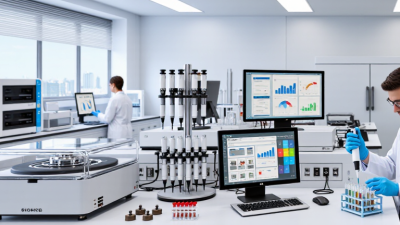
Global laboratory buyers need supplies that perform consistently, not merely products with attractive prices. A practical list includes glassware, pipettes, sterile tips, sample tubes, protective gloves, safety goggles, centrifuge consumables, balances, water purification units, and chemical waste containers. Each item should match the laboratory’s testing method, temperature range, and workload. Small details matter. A pipette tip that fits poorly can distort results within minutes.
Quality checks should include material specifications, calibration records, batch numbers, and documented inspection procedures. Suppliers should provide clear certificates, safety data sheets, storage instructions, and traceability information. For electrical equipment, buyers should verify applicable conformity requirements in the destination country. Packaging must protect sterile or fragile items during long transport. Damaged seals, unclear labels, or missing instructions are serious warning signs.
Safety and compliance need local review. Import rules, waste-handling requirements, and laboratory standards can differ between markets. Buyers should confirm whether products meet recognized technical standards, while avoiding assumptions based only on familiar symbols. A perfect checklist is unrealistic. Even experienced teams sometimes overlook shelf-life dates or humidity controls. That weakness deserves correction through receiving inspections, staff training, and supplier audits. It is also wise to test a small shipment before approving larger orders, especially when product performance affects measurement accuracy.
Reliable laboratory work begins with practical supplies, not impressive equipment. The ten essentials include micropipettes, sterile tips, sample tubes, tube racks, gloves, safety glasses, lab coats, beakers, volumetric flasks, and analytical balances. Each item supports a different control point. Pipettes manage small volumes. Flasks protect measurement accuracy. Balances reveal tiny mass differences.
In routine testing, compatibility matters as much as price. Low-retention tips can reduce sample loss during viscous transfers. Screw-cap tubes help prevent evaporation during storage. A stable rack keeps labeled tubes upright and reduces mix-ups.
Glass beakers tolerate heat, while some plastic vessels offer safer handling and lower shipping weight. Buyers should check material grade, temperature limits, graduation accuracy, and sterilization status.
Personal protective supplies deserve equal attention. Gloves must fit well without limiting movement. Safety glasses should remain clear during long procedures. Lab coats need closed cuffs and washable fabric. These details seem ordinary, but poor fit can create errors and discomfort. It is also wise to request calibration records, lot traceability, and technical specifications from suppliers. Not every “certified” claim explains what was tested. I have seen teams choose cheaper consumables, then repeat work because seals leaked or measurements drifted. A better purchasing decision compares total use, storage conditions, and replacement frequency, not only the catalog price.
Choosing the 10 best laboratory supplies for global buyers requires more than comparing catalog prices. Core items include pipettes, glassware, sample tubes, filters, balances, thermometers, centrifuge accessories, storage containers, protective equipment, and cleaning tools. Each item should match the laboratory’s workload, accuracy needs, and storage conditions. A supplier’s technical documents matter. Check material specifications, calibration records, batch traceability, and product consistency before placing a large order.
Global sourcing can reduce costs, but the quoted price is only one part of the calculation. Freight, packaging, customs handling, minimum order quantities, replacement policies, and delivery insurance can change the final cost. Ask suppliers for samples and a written lead-time commitment. Reliable suppliers communicate clearly when production changes or stock becomes limited. A low quote may look persuasive. It may also hide weak packaging or inconsistent dimensions. I have found that “cheapest” is often an incomplete comparison, though buyers can still overpay for unnecessary specifications.
Tips: Compare landed costs, not unit prices. Request recent quality documents and inspect sample packaging. Confirm whether replacement items have identical specifications. Keep a small safety stock for essential consumables. Do not rely on promises alone; record response times, shipment accuracy, and corrective actions. A supplier may pass every initial test and still perform poorly during a busy season, so periodic reviews remain necessary.
10 Best Laboratory Supplies for Global Buyers?
Selecting Laboratory Supplies for Different Research Applications
Choosing laboratory supplies should begin with the research question, not the catalog page. Molecular biology often requires low-retention pipette tips, sterile tubes, nuclease-free water, and reliable temperature storage. Small contamination can change an entire result. For cell culture, prioritize sterile vessels, suitable media containers, filtration units, and gloves that preserve handling control. Fit matters too. A perfect product can still fail if it does not match the instrument.
Analytical chemistry needs a different approach. Volumetric glassware, solvent-resistant seals, syringe filters, and clean sample vials support accurate measurements. Check chemical compatibility before purchase. A filter that works with water may react with an organic solvent. For field research, strong transport boxes, labeled sample bags, portable meters, and tamper-evident storage can protect samples during long journeys. Temperature logs are especially useful when conditions change.
I have learned that documentation deserves the same attention as physical quality. Request material specifications, sterility information, lot numbers, calibration records, and safety data where relevant. Compare tolerances, packaging, lead times, and storage requirements across suppliers. Lower prices sometimes hide higher waste. Still, no selection is perfect. A supplier may provide excellent certificates but weak delivery support. A trial order can reveal this early. Check one shipment carefully before committing to a large global purchase.
| No. | Laboratory Supply | Primary Research Application | Typical Specification | Common Material | Key Selection Criteria for Global Buyers | Safety or Compliance Consideration |
|---|---|---|---|---|---|---|
| 1 | Adjustable Micropipette | Accurate transfer of microliter volumes in molecular biology, clinical testing, and analytical chemistry. | Typical volume ranges: 0.1–2.5 µL, 2–20 µL, 20–200 µL, or 100–1,000 µL. | Polypropylene tips; polymer or reinforced plastic body. | Choose the correct volume range, low-retention compatible tips, ergonomic operation, calibration support, and a stated accuracy and precision specification. | Use aerosol-resistant tips for contamination-sensitive work and follow documented calibration procedures. |
| 2 | Class A Volumetric Flask | Preparation of standard solutions and accurate dilution for quantitative analysis. | Common capacities: 10 mL, 25 mL, 50 mL, 100 mL, 250 mL, 500 mL, and 1,000 mL. | Borosilicate glass; some applications use certified plastic alternatives. | Verify nominal capacity, tolerance, graduation mark quality, stopper compatibility, chemical resistance, and calibration documentation. | Inspect glass for chips and cracks; use suitable protective equipment when handling corrosive solutions. |
| 3 | Analytical Balance | High-precision weighing of reagents, standards, samples, and formulations. | Readability commonly ranges from 0.1 mg to 1 mg; capacity often ranges from 100 g to 300 g. | Metal or composite housing with stainless-steel weighing pan. | Evaluate readability, repeatability, draft-shield design, leveling system, environmental stability, calibration method, and service availability. | Place on a stable, vibration-free surface and keep the weighing chamber clean and closed during measurement. |
| 4 | Centrifuge Tubes | Separation, washing, and temporary storage of biological, chemical, and environmental samples. | Typical formats include 1.5–2.0 mL microtubes and 15 mL or 50 mL conical tubes. | Polypropylene, selected for broad chemical compatibility and impact resistance. | Check maximum relative centrifugal force, temperature range, tube geometry, cap seal, sterility, graduation readability, and rotor compatibility. | Balance tubes by mass and confirm that the tube is rated for the intended centrifuge speed. |
| 5 | Membrane Filters | Sample clarification, sterilizing filtration, particulate removal, and microbiological analysis. | Common pore sizes include 0.22 µm, 0.45 µm, and 0.8 µm; formats include discs and capsules. | Polyethersulfone, polyvinylidene fluoride, nylon, cellulose acetate, or polytetrafluoroethylene. | Match membrane chemistry, pore size, surface area, flow rate, extractables profile, and compatibility with the sample solvent. | Confirm pressure limits and chemical compatibility before use; sterile filters require validated handling practices. |
| 6 | Laboratory Glass Beakers | Mixing, heating, dissolving, and transferring liquids during routine laboratory procedures. | Common capacities range from 50 mL to 5,000 mL; low-form and tall-form designs are available. | Heat-resistant borosilicate glass or chemical-resistant laboratory glass. | Consider thermal shock resistance, wall thickness, pouring spout quality, graduations, handle design, and volume range. | Graduations are approximate and should not replace volumetric glassware for precise measurement. |
| 7 | PCR Tubes and Plates | Polymerase chain reaction, genotyping, DNA amplification, and other thermal cycling workflows. | Available as individual tubes, strips, and 96-well or 384-well plates; working volumes commonly range from 10 µL to 200 µL. | Optical-grade polypropylene with thin, uniform walls for efficient heat transfer. | Verify thermal cycler compatibility, well format, optical clarity, sealing method, evaporation control, and nuclease-free status. | Use clean, contamination-controlled handling and separate pre-amplification and post-amplification areas. |
| 8 | Laboratory Water Purification System | Production of purified water for buffer preparation, instrument supply, rinsing, and analytical testing. | Systems may provide reverse-osmosis water, deionized water, or ultrapure water with resistivity up to approximately 18.2 MΩ·cm at 25°C. | Polymer or stainless-steel fluid path with ion-exchange and membrane components. | Define required water grade, feed-water quality, daily volume, microbial control, filter replacement needs, monitoring functions, and local service access. | Follow sanitation and maintenance procedures; purified water quality must be verified for the intended application. |
| 9 | Laboratory Refrigerator | Storage of reagents, enzymes, biological samples, media, and temperature-sensitive chemicals. | Common controlled ranges include 2–8°C for general laboratory refrigeration and approximately −20°C for frozen storage. | Insulated metal cabinet with polymer interior components and temperature-control hardware. | Assess temperature uniformity, alarm functions, data logging, usable capacity, door configuration, power requirements, and backup planning. | Do not store flammable solvents in a standard laboratory refrigerator unless it is specifically designed and certified for that purpose. |
| 10 | Chemical-Resistant Nitrile Gloves | Hand protection during sample preparation, chemical handling, cleaning, and routine laboratory operations. | Available in multiple sizes and thicknesses; examination and heavy-duty laboratory grades are commonly used. | Nitrile rubber, with powder-free options widely used in laboratories. | Review chemical permeation data, thickness, cuff length, dexterity, tear resistance, size range, packaging, and allergen considerations. | No glove protects against every chemical; consult the chemical safety data sheet and replace gloves after contamination or damage. |