How to Choose the Right Laboratory Equipment for Your Needs?
Choosing the right laboratory equipment can be a daunting task. Dr. Emily Carter, a renowned expert in laboratory science, emphasizes, "The right tools can make all the difference in research quality." This highlights the importance of selecting appropriate equipment that meets specific needs.
Laboratory equipment varies widely in functionality and purpose. From microscopes to centrifuges, each tool serves a distinct role in scientific research. A proper understanding of your projects will guide you in making the best choices. However, many researchers often feel overwhelmed. They may settle for equipment that isn’t ideal. This can hinder project outcomes.
When selecting laboratory equipment, consider your research goals. Are precision and accuracy priorities? Or is ease of use more critical? Reflect on these aspects. Sometimes, what seems like the best choice can lead to complications down the line. A thoughtful selection process is essential for success in any laboratory setting.

Understanding Your Laboratory Requirements and Goals
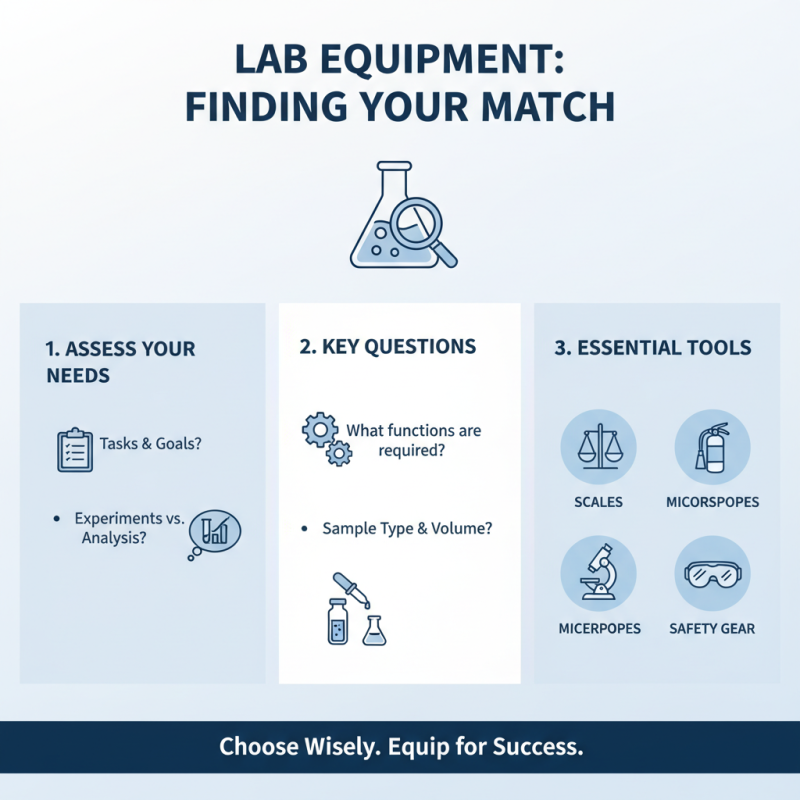
Choosing the right laboratory equipment begins with understanding what you need. Assess your specific tasks and goals. Are you conducting experiments, analyzing samples, or doing both? Each function requires different tools. For instance, you may need scales, microscopes, or safety equipment.
Think about your workspace. Is it limited? Compact equipment might be necessary. On the other hand, a spacious lab could accommodate larger instruments. Consider your budget as well. It can be challenging to balance cost and quality. Sometimes, choosing a cheaper option can result in inadequate performance.
Reflect on your team’s experience. Are they familiar with advanced tools? If not, complicated equipment might hinder productivity. Training might be needed, increasing costs and time. It’s crucial to find equipment that matches both your needs and your team’s skills. Balancing these factors can feel overwhelming but is essential for laboratory success.
Assessing the Types of Laboratory Equipment Available
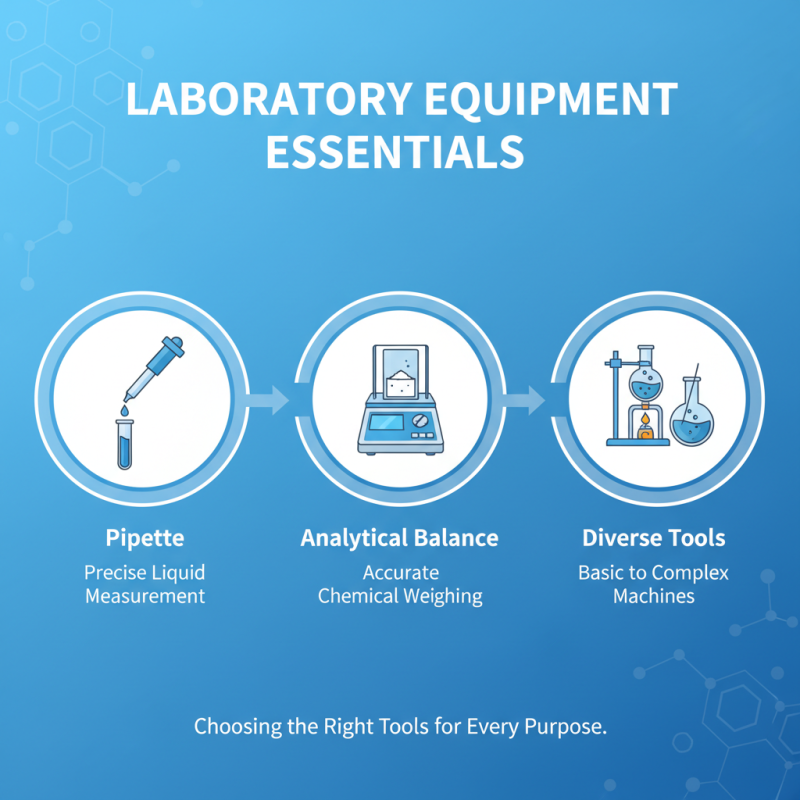
When selecting laboratory equipment, understanding the types available is crucial. Equipment ranges from basic tools to complex machines. For example, consider the pipette. It's essential for precise liquid measurements. A balance is another key item, vital for weighing chemicals accurately. Each piece has its own purpose and features.
Different laboratories have varying needs. A biology lab may require incubators, while a chemistry lab needs fume hoods for safety. Assessing the space is also important. Large machines require more room. Small tools, however, can fit almost anywhere. Reflect on your specific tasks. Do you need speed or accuracy?
Sometimes, even the right equipment may not yield perfect results. Calibration errors can occur. Routine maintenance is essential to avoid issues. Don’t overlook the importance of training personnel on new devices. Knowledge gaps can lead to mishaps. Each choice matters in achieving reliable outcomes.
Evaluating Quality and Reliability Standards in Laboratories
When selecting laboratory equipment, assessing quality and reliability standards is vital. According to a 2022 industry report by Lab Equipment Insights, over 70% of lab failures are linked to subpar equipment. This statistic starkly emphasizes the need for a rigorous evaluation process. Look for certifications like ISO 9001, which ensure a commitment to quality management systems.
Tip: Consider the manufacturer's history. Longevity in the market often correlates with reliability. Equipment that meets rigorous testing standards typically performs better over time.
Also, inspect warranty and support options. A product backed by strong customer service can save you time and money on repairs. Around 45% of labs report spending significant resources on unrecovered equipment downtimes. Research indicates that investing in reliable equipment up front prevents future losses.
Tip: Ask for user reviews and case studies. Real-world experiences provide insights often overlooked in specifications. Reflect on whether your lab’s needs align with the equipment’s capabilities. Choosing wisely today can impact your lab's efficiency tomorrow.
Quality and Reliability Standards of Laboratory Equipment
Determining Budget Constraints and Cost-Effectiveness
When selecting laboratory equipment, understanding your budget is crucial. Costs can vary significantly based on the type of equipment needed. It's wise to prioritize the essential tools first. This might include microscopes, pipettes, or analytical balances. Focusing on these can maximize your efficiency while minimizing unnecessary expenses.
Consider evaluating equipment life cycles. A more expensive option might save costs in the long run. However, cheaper tools may lead to higher maintenance expenditures. Carefully compare these factors. Don't forget hidden costs like training or operational charges. Sometimes, a seemingly cost-effective choice ends up being inefficient.
Reflect on your specific needs. Are you conducting routine tests, or is your work more specialized? This answer impacts equipment selection and budget. Sometimes, a piece of equipment may seem like a great deal but lacks the features necessary for your work. Be cautious and avoid rushing to purchase. Slow, thoughtful consideration often saves money and frustration later.
How to Choose the Right Laboratory Equipment for Your Needs? - Determining Budget Constraints and Cost-Effectiveness
| Equipment Type |
Estimated Cost ($) |
Budget Range ($) |
Key Features |
Cost-Effectiveness Rating |
| Microscope |
1500 |
1000 - 2000 |
High resolution, LED illumination |
8/10 |
| Centrifuge |
3000 |
2500 - 4000 |
Variable speed, multiple rotor options |
9/10 |
| Pipette |
200 |
100 - 300 |
Adjustable volume, ergonomic design |
10/10 |
| Incubator |
2500 |
2000 - 3000 |
Temperature control, humidity monitoring |
7/10 |
| Spectrophotometer |
3200 |
3000 - 3500 |
Wide wavelength range, easy calibration |
8/10 |
Reviewing Manufacturer Credentials and Customer Feedback
Choosing the right laboratory equipment is critical for your experiments. When making this choice, reviewing manufacturer credentials and customer feedback plays a pivotal role. A recent industry report highlighted that 70% of laboratory professionals prioritize manufacturer reputation. This data suggests that trust in a supplier can save time and resources in the long run.
Take the time to analyze customer reviews. Look for patterns in feedback. If multiple users report frequent breakdowns or poor customer service, it might be a red flag. The American Laboratory report noted that manufacturers with over 85% customer satisfaction tend to have lower return rates on their equipment. Popular features often stem from user-centric design, helping ease daily workflows.
Tips: Don't rush your decision. Collect feedback from different sources. Reach out to peers for their experiences. Consider attending trade shows to get hands-on demonstrations. Also, be prepared for some trial and error. Not every piece of equipment will meet your expectations. Reflect on the gaps between your needs and what is available. This can refine your search for the ideal lab tools.