2026 Top Precision Lab Equipment Trends for Global Buyers?
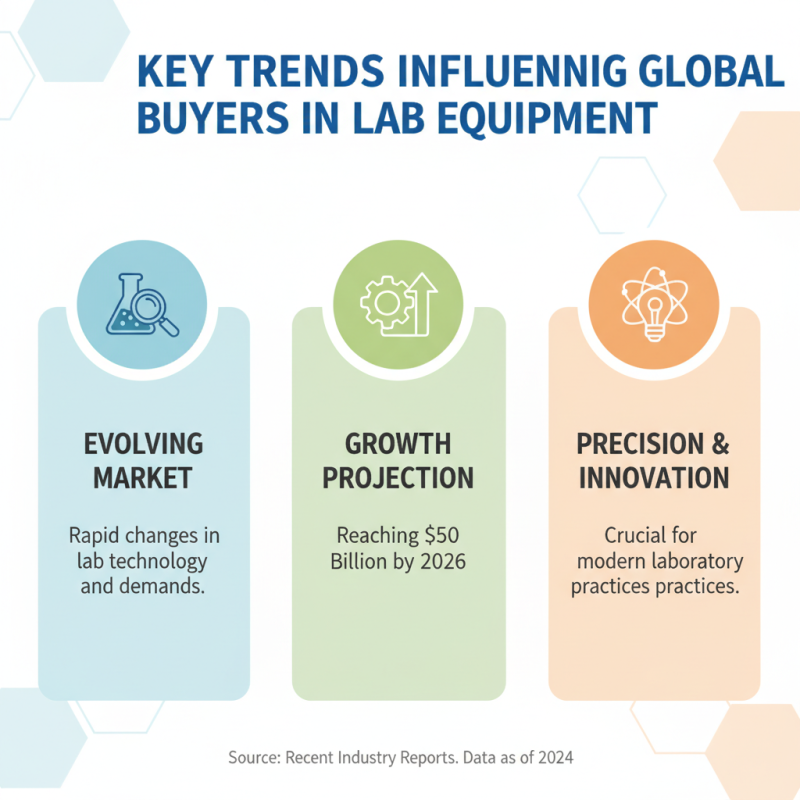
The landscape of Precision Lab Equipment is evolving rapidly. According to the latest report by MarketsandMarkets, the global precision equipment market is projected to reach $50 billion by 2026, driven by increased investments in research and development across various industries. This data reflects a significant demand for precision tools that ensure accuracy, reliability, and efficiency in lab environments.
Innovative technologies such as automation, AI integration, and advanced analytics are reshaping the sector. Industry experts suggest that implementing these technologies can enhance operational productivity by as much as 30%. Buyers must remain vigilant, however. Not every trend is beneficial. Some advancements may lead to increased complexity, requiring ongoing training and support.
As this market matures, it is crucial for global buyers to critically assess their needs. The push for precision comes with its challenges. Balancing cost and capability is not straightforward. Investment in high-quality equipment is a commitment. It must align with long-term goals, ensuring that precision lab equipment truly enhances research outcomes.

Emerging Technologies in Precision Lab Equipment for 2026
Emerging technologies are reshaping the landscape of precision lab equipment for 2026. The trend toward automation continues to accelerate. According to a recent market report, automated systems could increase lab efficiency by up to 30%. This shift allows researchers to focus on critical tasks, reducing manual errors and improving reproducibility.
Innovative technologies, such as AI and machine learning, are making significant impacts. These tools analyze large datasets swiftly, identifying patterns that human analysts might miss. A study indicates that labs employing AI can achieve a 25% faster turnaround on experiments. However, integrating these technologies poses challenges. Personnel may require extensive training to maximize the potential of these advanced systems.
Sustainability also emerges as a crucial factor. Research shows that eco-friendly lab equipment can cut energy consumption by 20%. This shift not only lowers operational costs but also meets growing regulatory demands. However, transitioning to sustainable solutions can be costly. Labs must carefully consider their budgets and long-term goals when investing in new technologies. Innovations in precision lab equipment will continue to evolve, but navigating these changes is complex and requires thoughtful strategies.
2026 Top Precision Lab Equipment Trends
Sustainability Practices in Precision Lab Equipment Manufacturing
Sustainability practices are shaping the future of precision lab equipment manufacturing. As global buyers become more conscious of their environmental footprint, manufacturers are rethinking their processes. They are shifting towards materials that are recyclable or biodegradable. Energy-efficient production methods gain prominence. This change benefits the planet while enhancing performance.
Tip: Always inquire about the eco-friendly certifications of lab equipment. This can guide you towards sustainable options.
Many facilities still face challenges in adopting green practices. Transitioning to sustainability requires investment. Some manufacturers struggle with sourcing green materials. Others find it difficult to implement energy-efficient technologies. Addressing these issues is crucial for the industry’s evolution.
Tip: Collaborate with suppliers who prioritize sustainability. Building strong relationships leads to better solutions.
The market is gradually embracing these innovations. However, more education on green practices is necessary. Knowledge of sustainable options helps labs make informed decisions. Understanding the impact of equipment on the environment is essential for long-term benefits.
2026 Top Precision Lab Equipment Trends for Global Buyers
| Trend |
Description |
Sustainability Impact |
Market Growth Potential |
| Smart Lab Equipment |
Integration of AI and IoT technologies. |
Reduces energy consumption and enhances efficiency. |
High, as industries adopt smart solutions. |
| Biodegradable Materials |
Use of biodegradable materials in lab equipment design. |
Minimizes environmental impact post-use. |
Medium, with increasing demand for green products. |
| Energy-Efficient Systems |
Equipment designed to use less power without sacrificing performance. |
Significant reduction in carbon footprint. |
High, as regulatory pressures mount for energy efficiency. |
| Recycling Programs |
Initiatives to recycle and repurpose old lab equipment. |
Promotes circular economy practices. |
Medium, varies by institution and region. |
| Water Conservation Technologies |
Lab equipment designed to minimize water use. |
Essential in water-scarce areas, supporting sustainability. |
Growing, especially in regions facing drought. |
Advancements in Automation for Precision Laboratory Instruments
Advancements in automation are shaping the future of precision laboratory instruments. Automation technologies are enhancing the accuracy and efficiency of laboratory processes. For instance, a recent industry report by ResearchAndMarkets highlights that the global laboratory automation market is projected to grow at a CAGR of over 10% through 2026. This growth reflects increasing demand for precision in laboratory results.
Automation reduces human error, leading to more reliable data. Robotic systems are becoming commonplace, handling repetitive tasks, and allowing scientists to focus on critical analyses. However, as automation increases, the need for skilled personnel to manage and maintain these systems is vital. A lack of training could pose challenges in adopting these technologies effectively.
Tip: Regular training sessions can help staff stay updated on the latest automation trends. Keeping abreast of new tools and methods is essential in today's fast-evolving landscape. It's also worth considering the balance between automation and human oversight to ensure data integrity remains a top priority.
The shift toward automation does raise questions. Are laboratories sacrificing the human element in research? Some experts argue that while machines improve productivity, they can't replicate critical thinking or creative problem-solving. This highlights the need for a hybrid approach, where technology and human expertise coexist, maximizing the strengths of both realms.
Market Competitiveness: Leading Brands and Innovations for 2026
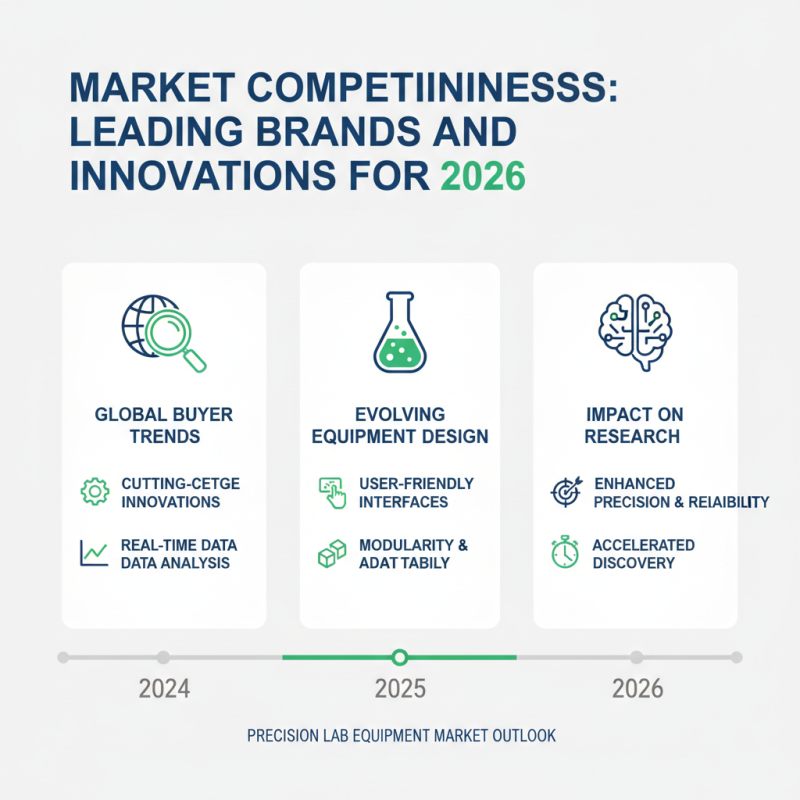
As we approach 2026, the precision lab equipment market is poised for significant advancements. Global buyers are keenly observing trends that focus on cutting-edge innovations. The design of equipment is evolving, especially in various research fields. Users now prioritize user-friendly interfaces and real-time data analysis features. This shift reflects a deeper understanding of how precision tools influence research outcomes.
Market competitiveness is fierce, driven by ongoing technological enhancements. Leading companies are leveraging artificial intelligence to improve accuracy and efficiency. Integrating AI can optimize processes and reduce human error. However, this integration is not without challenges. It requires constant updates and, often, a steep learning curve for laboratory staff. Furthermore, some users may find the rapid pace of innovation overwhelming.
Collaboration within the industry is essential for staying competitive. Sharing insights and best practices can lead to better product development. This collective approach encourages shared responsibility among manufacturers and end-users. Nevertheless, some labs may struggle to adapt to this collaborative model. They might resist change or overlook new technologies. Acknowledging these issues is critical, as it paves the way for future innovations and improvements in the field.